Philips Lifeline Review: Is It Still a Top Medical Alert System in 2026?
An honest Philips Lifeline review covering the HomeSafe, GoSafe, and GoSafe 2 systems — pricing, fall detection, ease of use, and how it compares with newer competitors.
Affiliate disclosure
SafeAtHomeHub may earn a commission when you use some provider links. You do not pay more, and commissions do not buy a ranking or positive review.
How we handle commercial relationships
Comparisons follow published decision criteria. We do not accept paid placement or compensation in exchange for favorable coverage.
Read the full affiliate disclosure and editorial guidelines.
On This Page
- Review Verdict
- Fit Snapshot
- Pricing Summary
- Key Features
- FAQ
Philips Lifeline: quick fit check
A legacy pioneer with strong medical-grade credentials, though newer competitors often offer better value, more modern hardware, and simpler pricing.
Best for
- seniors who want a brand with decades of healthcare reputation
- users who prefer landline-based systems
- families who value medical-adjacent monitoring over consumer gadget feel
- existing Philips healthcare ecosystem families
Less ideal for
- budget-focused shoppers looking for the lowest monthly cost
- users who want a simple all-inclusive monthly price
- tech-savvy users who prefer app-based self-management
- buyers who want waterproof wearables for shower use without add-ons
Verification status
needs-official-provider-page-verification
Fit Snapshot
Best For
- seniors who want a brand with decades of healthcare reputation
- users who prefer landline-based systems
- families who value medical-adjacent monitoring over consumer gadget feel
- existing Philips healthcare ecosystem families
Less Ideal For
- budget-focused shoppers looking for the lowest monthly cost
- users who want a simple all-inclusive monthly price
- tech-savvy users who prefer app-based self-management
- buyers who want waterproof wearables for shower use without add-ons
Pricing Summary
- HomeSafe (landline) starting around $29.95/mo based on published provider rates
- HomeSafe (cellular) starting around $42.95/mo based on published provider rates
- GoSafe mobile system starting around $47.95/mo based on published provider rates
- GoSafe 2 with auto-fall detection starting around $57.95/mo based on published provider rates
- pricing tiers may vary by region, promotions, and direct vs partner channels
- equipment fees, activation costs, and multi-year contracts may apply — verify checkout total before purchase
Key Features
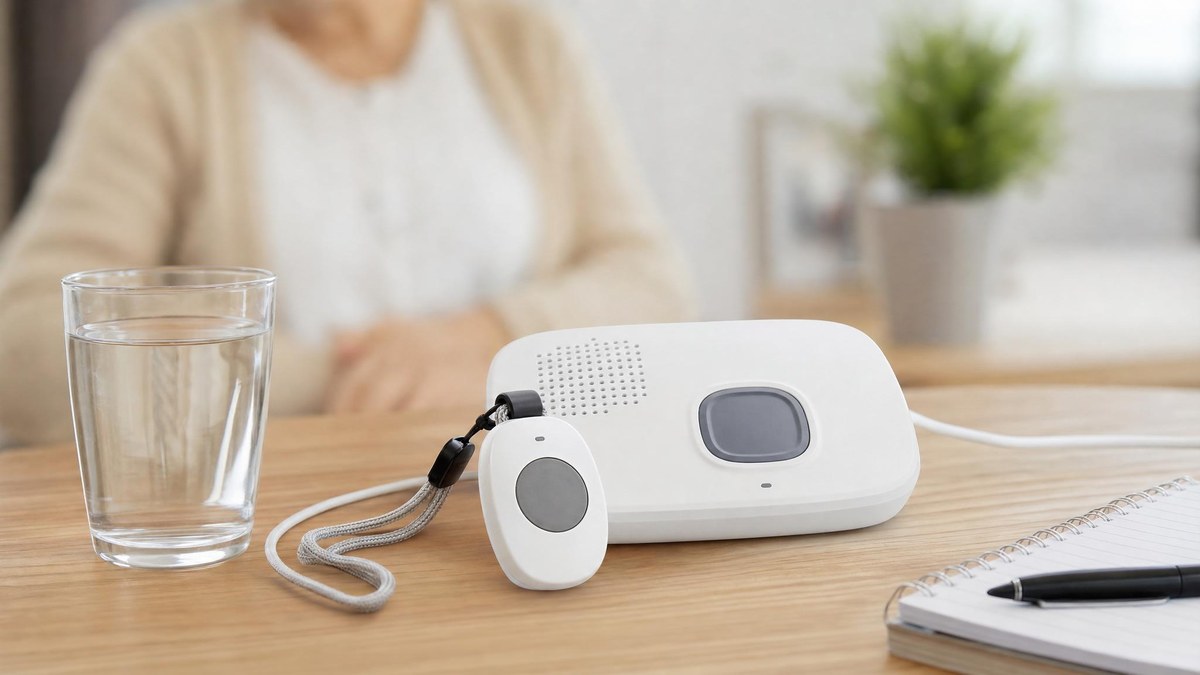
- landline and cellular home base options
- GoSafe mobile pendant with GPS and cellular
- auto-alert fall detection available (GoSafe 2)
- 24/7 monitoring center with registered nurses on staff
- water-resistant pendants (not fully waterproof on all models)
- multi-language monitoring available
- battery backup on base units
Philips Lifeline is one of the most recognized names in medical alert systems. First introduced in the 1980s, it’s been around longer than most competitors and carries the weight of the Philips healthcare brand.
But longevity doesn’t always mean best value. In 2026, Philips Lifeline faces strong competition from newer providers that offer more modern hardware, simpler pricing, and better mobile features at lower monthly costs.
Who Philips Lifeline Serves Best
Philips Lifeline’s strongest position is for families who value medical-grade brand trust and nurse-staffed monitoring over monthly savings. If a parent already uses Philips hearing aids, CPAP machines, or other Philips healthcare products, the Lifeline brand name carries weight.
The system also works well for seniors who prefer a landline connection and don’t want to rely on cellular or WiFi. The HomeSafe landline option is one of the more affordable entry points in their lineup.
Where Competitors Pull Ahead
Pricing transparency. Philips Lifeline’s pricing is less straightforward than competitors like MobileHelp or Medical Guardian, which often list all-in monthly rates more clearly. Philips pricing varies by region, channel, and promotions.
Hardware modernity. The GoSafe pendant is functional but feels dated compared to slimmer, more water-resistant options from LifeFone or Bay Alarm Medical. The absence of fully waterproof pendants across all models is a gap for seniors who want shower protection.
No self-service app. Unlike many competitors, Philips Lifeline doesn’t offer a companion mobile app for family members to check in, receive alerts, or manage settings remotely. This is a significant gap for adult children who want digital peace of mind.
The Verdict
Philips Lifeline is still a solid, trustworthy medical alert system — but it’s no longer the obvious best choice. For families who value brand reputation and nurse-staffed monitoring above all else, it’s worth considering. For most buyers, the better value is with newer competitors that offer more features, simpler pricing, and modern hardware at lower monthly costs.
If you’re comparing systems, start with our best medical alert systems roundup to see how Philips Lifeline stacks up against the current market leaders.
Alternatives to Consider
- Medical Guardian — Strong all-around alternative with better pricing transparency and modern hardware
- MobileHelp — Competitive pricing with mobile-focused options and family app
- LifeFone — Lower cost with strong customer service reputation
- Bay Alarm Medical — Solid coverage area and clear pricing structure
- USA Medical Alert — Budget-friendly option with good basic features
Related Provider Reviews
Helpful next comparison if this provider looks relevant.
Read more →Helpful next comparison if this provider looks relevant.
Read more →Helpful next comparison if this provider looks relevant.
Read more →Helpful next comparison if this provider looks relevant.
Read more →Helpful next comparison if this provider looks relevant.
Read more →Helpful next comparison if this provider looks relevant.
Read more →Frequently Asked Questions
Is Philips Lifeline still a good medical alert system in 2026?
Philips Lifeline remains a reliable option with strong medical credentials and a long track record. However, newer competitors like Medical Guardian, MobileHelp, and LifeFone often offer comparable or better features at lower monthly prices with simpler, more modern hardware.
Does Philips Lifeline offer fall detection?
Yes. The GoSafe 2 pendant includes automatic fall detection. The original GoSafe and HomeSafe systems offer fall detection as an optional add-on. Fall detection uses accelerometer-based sensors to detect sudden impacts and changes in position.
How much does Philips Lifeline cost per month?
Pricing varies by system and region. HomeSafe landline plans typically start around $29.95/mo, HomeSafe cellular around $42.95/mo, GoSafe mobile around $47.95/mo, and GoSafe 2 with auto-fall detection around $57.95/mo. Promotions, equipment fees, and contract terms vary, so confirm the checkout total directly.
Is Philips Lifeline the same as Life Alert?
No. Philips Lifeline and Life Alert are completely separate companies. Philips Lifeline is owned by Royal Philips, a Dutch healthcare technology company. Life Alert is a US-based privately held company. Both offer medical alert services, but their pricing, hardware, and monitoring models differ significantly.
Who is Philips Lifeline best for?
Philips Lifeline is best suited for seniors and families who prioritize brand trust, healthcare heritage, and 24/7 nurse-staffed monitoring over lower monthly costs or the latest consumer tech features. If your family already trusts Philips for other healthcare products, Lifeline is a natural fit.
Can I use Philips Lifeline without a landline?
Yes. Philips Lifeline offers cellular-based HomeSafe and GoSafe options that work without a landline phone line. The cellular versions use built-in 4G LTE connectivity to reach the monitoring center.
How we evaluate this page
- Reader fit and practical decision usefulness
- Pricing clarity and need for direct recheck
- Safety, support, cancellation, and provider transparency
- Internal comparison value against close alternatives
Before enrolling: Confirm the provider's current pricing, contract, cancellation, equipment, and optional-service terms directly.
Use this guide as a family decision aid
Start with routine. Home-only and mobile systems solve different problems.
Confirm current terms. Ask about equipment fees, cancellation, fall detection, and spouse coverage.
Test the handoff. Make sure the person will wear the device and caregivers understand alerts and access.