Medical Alert Systems for Dementia Caregivers: Questions to Ask
A careful caregiver guide to comparing medical alert systems when memory issues, wandering risk, reminders, and family response plans matter.
Affiliate disclosure
SafeAtHomeHub may earn a commission when you use some provider links. You do not pay more, and commissions do not buy a ranking or positive review.
How we handle commercial relationships
Comparisons follow published decision criteria. We do not accept paid placement or compensation in exchange for favorable coverage.
Read the full affiliate disclosure and editorial guidelines.
On This Page
- Caregiver fit questions
- Device-wearing reality
- Location and notification needs
- Response plan
Quick Answer
For dementia caregiving, the device matters less than the full response plan: wearing behavior, location needs, caregiver notifications, and escalation steps.
Families should compare GPS, caregiver app features, call-center process, device comfort, and what happens if the user does not press a button.
On This Page
- Caregiver fit questions
- Device-wearing reality
- Location and notification needs
- Response plan
Medical alert decisions become more complicated when memory issues are involved. The question is not just which provider has the best device. The real question is whether the system fits the person’s behavior, home setup, caregiver plan, and daily routine.
Caregiver fit questions
Before comparing providers, ask:
- Will the person wear a pendant, watch, or mobile device consistently?
- Is the biggest concern falls, wandering, missed check-ins, or emergency response?
- Does the family need GPS or home-only support?
- Who should receive alerts?
- Who can respond nearby?
- What instructions should the monitoring team follow?
Device-wearing reality
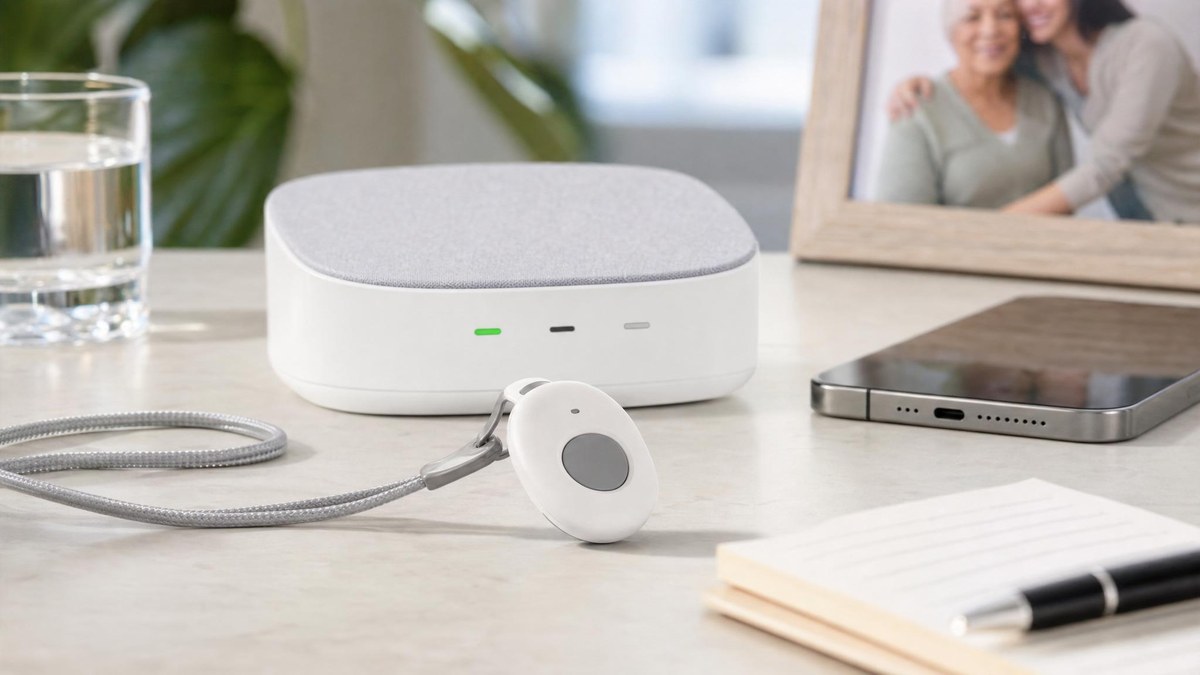
The best feature list does not help if the device stays in a drawer. Caregivers should think about comfort, charging, water exposure, buttons, screen complexity, and whether the person understands the device.
Location and notification needs
Some families need basic home coverage. Others need mobile location features, caregiver app access, or a clearer plan for what happens away from home. Verify the current provider details before treating any feature as available.
Response plan
Write down the response plan before purchasing:
- primary caregiver contact;
- backup caregiver contact;
- local emergency contact;
- medication or condition notes if appropriate;
- when to call family first;
- when emergency services should be contacted.
Bottom line
A medical alert system may be one helpful layer for dementia caregiving, but it is not the whole plan. Choose around real behavior, caregiver coverage, and verified provider details.
Related Next Reads
Continue from the guide into a higher-intent page.
Read more →Continue from the guide into a higher-intent page.
Read more →How we evaluate this page
- Reader fit and practical decision usefulness
- Pricing clarity and need for direct recheck
- Safety, support, cancellation, and provider transparency
- Internal comparison value against close alternatives
Before enrolling: Confirm the provider's current pricing, contract, cancellation, equipment, and optional-service terms directly.
Use this guide as a family decision aid
Start with routine. Home-only and mobile systems solve different problems.
Confirm current terms. Ask about equipment fees, cancellation, fall detection, and spouse coverage.
Test the handoff. Make sure the person will wear the device and caregivers understand alerts and access.