Bathroom Safety for Seniors: What Families Should Fix First
A practical bathroom safety guide for seniors covering slippery floors, grab bars, shower setup, lighting, nighttime routines, and medical alert backup.
Affiliate disclosure
SafeAtHomeHub may earn a commission when you use some provider links. You do not pay more, and commissions do not buy a ranking or positive review.
How we handle commercial relationships
Comparisons follow published decision criteria. We do not accept paid placement or compensation in exchange for favorable coverage.
Read the full affiliate disclosure and editorial guidelines.
On This Page
- Start with the highest-risk moments
- Slips and surfaces
- Grab bars and handholds
- Shower and toilet setup
- Emergency backup
- What to compare next
Quick Answer
For bathroom safety, families should start with slippery surfaces, stable handholds, lighting, shower entry, nighttime bathroom trips, and how the senior can call for help if a phone is not nearby.
Low-cost fixes can help, but grab bars, shower modifications, and mobility-related changes may require professional guidance.
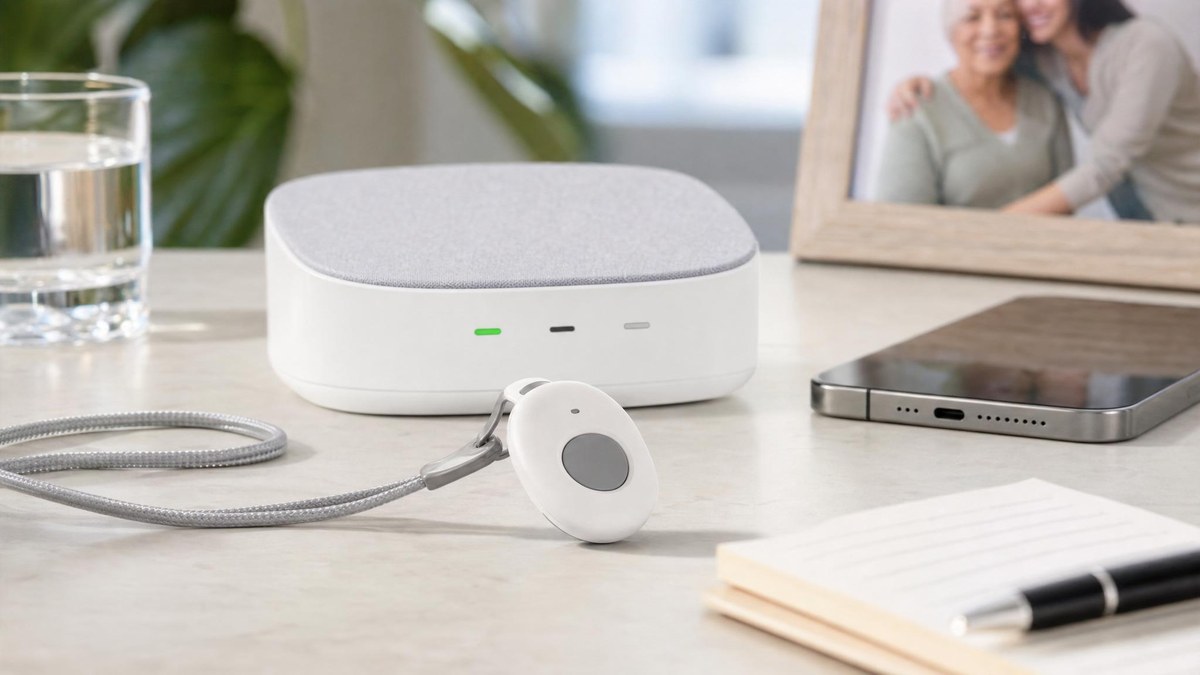
A medical alert button or waterproof wearable may be worth comparing when the senior bathes alone or has fall-risk concerns.
On This Page
- Start with the highest-risk moments
- Slips and surfaces
- Grab bars and handholds
- Shower and toilet setup
- Emergency backup
- What to compare next
Bathrooms are one of the first rooms families should review when a parent wants to age in place. The room combines water, hard surfaces, tight turning space, privacy, and moments when a phone may be out of reach.
The right first step is not always buying the biggest product. It is identifying where the risk happens and what kind of backup the senior would actually use.
Start with the highest-risk moments
Ask when the bathroom feels hardest:
- getting in or out of the shower;
- standing from the toilet;
- turning on wet tile;
- reaching for towels or supplies;
- walking to the bathroom at night;
- bathing when no one else is home.
If the senior has already changed behavior, pay attention. Skipping showers, rushing, holding furniture, or leaving lights off may signal that the room needs a more serious review.
Slips and surfaces
Look for surfaces and objects that move unexpectedly.
Review:
- loose rugs;
- wet tile;
- high tub edges;
- clutter near the sink or toilet;
- cords, laundry, or baskets in the walking path;
- soap, shampoo, or towels stored where reaching creates imbalance.
Simple cleanup can help, but do not treat a non-slip mat as a complete safety plan. Mats can shift, wear out, or create their own edge hazard if poorly chosen.
Grab bars and handholds
Families often notice that a parent is using towel bars, sinks, shower doors, or furniture as support. That is a warning sign.
Towel bars are not grab bars. If the senior needs a stable handhold, compare properly rated grab bars and consider professional installation. Placement matters because the bar has to support the movement the person actually makes.
Common areas to review include:
- shower entry;
- inside the shower;
- beside the toilet;
- the path between toilet, sink, and shower;
- any spot where the senior turns or steps over an edge.
Shower and toilet setup
The shower setup should match the person’s balance, strength, and comfort.
Questions to ask:
- Is stepping over the tub edge still realistic?
- Would a shower chair or bench reduce risk?
- Can the senior reach soap, shampoo, and towels without twisting?
- Does the shower head make rinsing easier or harder?
- Is there enough light during early morning or nighttime use?
For the toilet area, review seat height, nearby support, and whether the person has to push off unstable surfaces.
Emergency backup
Bathroom safety is not only about preventing falls. It is also about what happens if a fall occurs.
Ask:
- Is a phone usually within reach?
- Can the senior call for help from the floor?
- Would they wear a pendant or wrist button in the bathroom?
- Is the device designed for water exposure?
- Who gets contacted if there is an alert?
- Has the family documented home access instructions?
If these questions are unresolved, use the caregiver medical alert checklist before comparing provider plans.
What to compare next
For SafeAtHomeHub, this page is a support page that should push readers toward two revenue paths:
- Medical alert systems for emergency backup when a phone is not reachable.
- Bathroom safety product comparisons once product-level verification is complete.
Before publishing product rankings, the next step is verifying current products, ratings, installation requirements, affiliate availability, and claim language. For now, the safest conversion step is to help families compare medical alert backup and document the home safety plan.
Use the aging in place checklist for the whole-home review, compare grab bars for bathroom safety for the handhold decision, then compare medical alert systems for seniors if bathroom fall backup is part of the decision.
Related Next Reads
Continue from the guide into a higher-intent page.
Read more →Continue from the guide into a higher-intent page.
Read more →Continue from the guide into a higher-intent page.
Read more →Continue from the guide into a higher-intent page.
Read more →Continue from the guide into a higher-intent page.
Read more →How we evaluate this page
- Reader fit and practical decision usefulness
- Pricing clarity and need for direct recheck
- Safety, support, cancellation, and provider transparency
- Internal comparison value against close alternatives
Before enrolling: Confirm the provider's current pricing, contract, cancellation, equipment, and optional-service terms directly.
Use this guide as a family decision aid
Start with routine. Home-only and mobile systems solve different problems.
Confirm current terms. Ask about equipment fees, cancellation, fall detection, and spouse coverage.
Test the handoff. Make sure the person will wear the device and caregivers understand alerts and access.